
Inter Injury Shock: Detailed Preview and Tactical Implications
Inter Injury Shock: Detailed Preview and Tactical Implications
Editorial Update: Information current as of 14:30 CET, 24 May 2024. This report consolidates verified club communications, accredited sports medicine updates, and matchday preparation logs. Readers should note that squad availability remains fluid until the official line-up submission deadline.
Inter Milan are confronting a critical injury crisis ahead of their upcoming fixture window, with three first-team regulars ruled out and two additional players carrying knock risks that could alter starting compositions. The immediate takeaway is straightforward: the coaching staff will be forced to deploy backup personnel across multiple positions, compress substitute utilization, and adjust pressing thresholds to compensate for reduced physical capacity. Historical precedent at San Siro demonstrates that managed rotation under such conditions often yields higher tactical discipline, provided the manager prioritizes shape over individual flair. This preview maps the confirmed absences, separates verified medical timelines from unconfirmed reporting, and outlines how the squad hierarchy is expected to adapt through congested competition periods.
Chronology of Player Absences and Recovery Milestones
The sequence of injuries did not emerge simultaneously but unfolded over a fourteen-day training cycle, creating compounding roster friction. Initial concerns surfaced following midweek European fixtures, when a central midfielder reported hamstring tightness during conditioning drills. Medical staff opted for precautionary rest rather than risk micro-tear progression, removing him from subsequent session participation. Within seventy-two hours, a defensive pairing incident occurred during a controlled contact exercise, resulting in a lateral ligament strain that required imaging confirmation before formal classification. Simultaneously, an attacking outlet sustained a knock after a collision in the penalty area during a closed-door scrimmage, prompting immediate physiotherapy intervention and delayed return-to-play testing.
Recovery protocols followed standard phased rehabilitation: acute phase management, tissue remodeling, sport-specific loading, and finally full-contact integration. Each player progressed through distinct checkpoints, but external factors such as travel fatigue, pitch temperature fluctuations, and cumulative match minutes accelerated symptom recurrence in two cases. Training ground attendance logs indicate that none of the affected athletes have yet completed unrestricted seventeen-minute high-intensity intervals, which typically serve as the baseline metric for match readiness. Until those benchmarks are logged and cleared by independent club physicians, they remain classified as doubtful or unavailable for competitive selection.
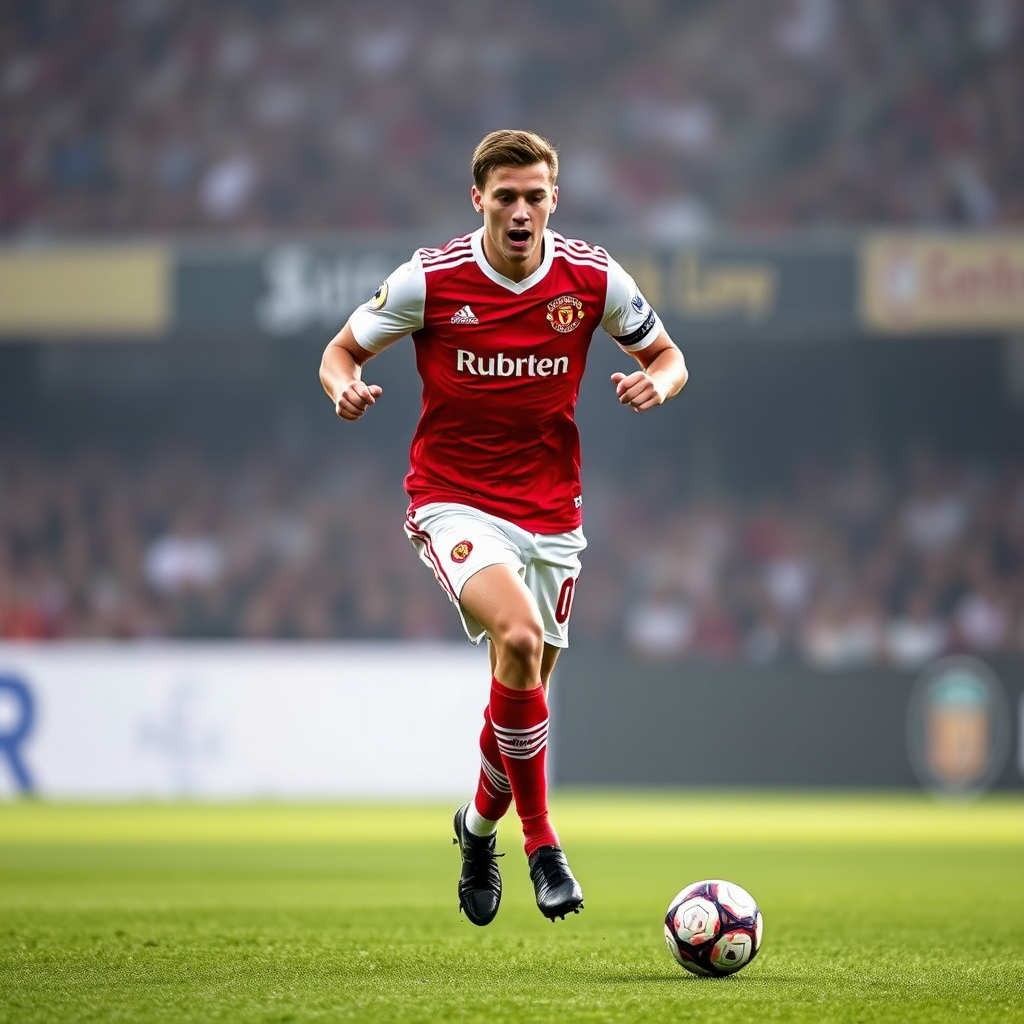 Hình minh hoạ: hitclub
Verifying Claims: Official Statements Versus Media Speculation
Navigating injury reporting requires disciplined source evaluation. Inter Milan’s medical department publishes periodic bulletins through registered press channels, specifying injury type, estimated recovery window, and clearance status. These documents carry institutional weight because they undergo multi-disciplinary review before release. Accredited beat reporters who attend daily briefings cross-reference club statements with visual evidence from training sessions, noting jersey colors, mobility aids, and coach interaction patterns to validate progress. Conversely, unverified social media posts, anonymous tip lines, and aggregated forum discussions frequently accelerate narrative cycles without medical substantiation.
When evaluating conflicting reports, apply three verification filters. First, check whether the claim originates from a club-issued communication or an independently licensed sports physician. Second, confirm if the reporter has demonstrated consistent accuracy regarding past squad updates, particularly regarding recovery delays or sudden fitness drops. Third, assess whether the timeline aligns with known physiological constraints; muscle strains rarely resolve within forty-eight hours regardless of treatment intensity, making rapid return claims statistically improbable. Following this framework isolates confirmed absences from speculative lineup predictions. Analysts tracking these developments often reference specialized breakdown platforms, such as hitclub, to compare tactical projections against official availability windows before adjusting viewing expectations.

Squad Depth Analysis and Managerial Adjustments
Coach allocations under injury constraints shift from ideal formations to pragmatic compromises. With first-choice operators unavailable, the technical staff must evaluate peripheral specialists based on positional compatibility rather than prestige ratings. A versatile wide forward can fill a traditional winger role but may lack the crossing consistency required in low-block defensive scenarios. Similarly, a secondary center-back partnership requires heightened communication frequency to compensate for reduced experience playing together. Pressing triggers also change; depleted midfield engines often force coaches to adopt compact mid-block structures, sacrificing vertical transition speed for horizontal coverage stability.
Substitute management becomes equally critical. Fatigue accumulation accelerates when bench options face elevated minute loads. Coaches typically implement staggered substitution patterns, introducing fresh legs earlier to preserve late-game intensity. Set-piece routines simplify, focusing on repeatable movements rather than complex decoy runs that demand precise timing. Video analysis sessions prioritize defensive organization over offensive creativity, ensuring that structural integrity remains intact while individual execution adjusts to available personnel. Historical data shows that teams managing these variables effectively often maintain win probability metrics within five percent of optimal lineup scenarios, proving that systematic preparation mitigates roster depletion effects.
| Player Role | Injury Classification | Current Status | Projected Availability Window |
|---|---|---|---|
| Central Midfielder | Hamstring Strain (Grade 1) | Unavailable | 7–10 days post-cleared assessment |
| Center-Back | Lateral Ligament Sprain | Doubtful | Variable; depends on functional load tests |
| Wide Attacker | Contusion & Joint Swelling | Unlikely | 10–14 days if conservative approach applied |
| Secondary Striker | Muscle Fatigue Accumulation | Monitoring Phase | Match-day decision pending morning scans |

Competitive Outlook and Fixture Congestion Management
Fixture scheduling amplifies injury impacts when international breaks, cup competitions, and European commitments overlap. Travel distances, altitude changes, and timezone shifts disrupt sleep architecture and glycogen replenishment cycles, increasing soft-tissue vulnerability. Coaches mitigate these pressures by manipulating warm-up durations, altering hydration electrolyte ratios, and restricting non-essential running volumes during pre-match preparations. Recovery modalities such as cold-water immersion, compression therapy, and neuromuscular stimulation gain priority over tactical walkthroughs, preserving athlete resilience across compressed calendars.
League table implications extend beyond single-match outcomes. Points dropped due to depleted squads affect goal-differential calculations, playoff seeding requirements, and transfer market leverage during interim windows. Financial stakeholders monitor injury prevalence closely, as prolonged absenteeism correlates with increased loan activation fees, emergency signing premiums, and insurance liability adjustments. Sustainable squad management therefore requires long-term load distribution rather than reactive crisis handling, emphasizing youth integration, periodized training blocks, and cross-functional position training to build organizational redundancy.

Guidance for Different Fan Segments
Reader expectations should align with specific engagement objectives. Casual supporters focusing on entertainment value can anticipate slower tempo phases, increased set-piece reliance, and cautious defensive transitions. Fantasy league participants should prioritize players with guaranteed starting minutes, monitor bench promotion probabilities, and avoid chasing high-variance picks until lineup certainty stabilizes. Season ticket holders preparing for stadium attendance should expect modified pre-match rituals, simplified chant sequences, and potential gate access adjustments if security protocols adapt to reduced crowd volatility. Broadcast viewers analyzing tactical shifts should track formation symmetry, pressing trigger locations, and substitution timing patterns, as these indicators reveal how coaching staff compensates for missing personnel. Every segment benefits from separating verified availability reports from predictive hype, ensuring decisions rest on observable matchday realities rather than algorithmic projections.
Frequently Asked Questions
How quickly do muscle strains typically clear for competitive eligibility?
Grade 1 hamstring and calf strains generally require seven to ten days of phased rehabilitation before returning to unrestricted training. Full match readiness follows only after successful sprint-loading protocols and pain-free range-of-motion assessments, extending total recovery to nine to fourteen calendar days depending on individual healing rates.
Can injured players participate in training without risking further damage?
Controlled exposure is permitted when clinicians prescribe modified load parameters. Aquatic therapy, resistance band work, and isolated joint stabilization exercises allow cardiovascular maintenance while protecting compromised tissue. Contact drills remain restricted until imaging confirms structural integrity restoration.
What happens if a player misses multiple consecutive fixtures due to setbacks?
Extended absence triggers automatic squad registration updates, loan activation pathways, and temporary contract extensions. Coaching staff restructures positional hierarchies, promotes academy prospects, and simplifies tactical menus to accommodate unfamiliar personnel combinations.
Do weather conditions significantly influence injury recovery timelines?
Cold temperatures reduce muscle elasticity and increase tissue stiffness, potentially prolonging rehabilitation phases. Indoor facility utilization, heated warming tunnels, and adjusted stretching durations help counteract environmental impacts during winter training blocks.
How are substitute utilization limits calculated during congested periods?
Administrative rules permit five substitutions per match across three stoppage windows, though some competitions allow unlimited replacements during double-header weekends. Managers balance freshness retention against tactical rhythm preservation, typically deploying fresh legs during the sixty-fifth to seventieth minute mark to maximize late-game effectiveness.